Showing posts with label Gavan McCormack ガバン・マコーマック. Show all posts

Sunday, April 01, 2018

2nd Edition of Resistant Islands: Okinawa Confronts Japan and the United States 第二版が出版されました。


Book information on the publisher's website
日本語では2013年に『沖縄の〈怒〉-日米への抵抗』として法律文化社から出た英語の本の第二版がロウマン&リトルフィールド社からこの3月に出版されました。キンドル版、ペーパーバック版、ハードカバー版があります。英語版の初版が出た2012年以来、5年間に起こったことをまとめた章を14章として付け加えてあります。またこの本は、共著者両方に多大な影響とインスピレーションを与えた故・大田昌秀元沖縄県知事に捧げています。カバーの写真は、沖縄の写真家豊里友行(とよざと・ともゆき)氏によるもの。

Resistant Islands:
Okinawa Confronts Japan and the United States
Second Edition

Co-authored by 
Gavan McCormack, emeritus professor of the Australian National University 
and
Satoko Oka Norimatsu, Editor, Asia-Pacific Journal: Japan Focus 

Cover photo by Okinawan photographer Toyozato Tomoyuki 

Now in a thoroughly updated edition, Resistant Islands offers the first comprehensive overview of Okinawan history from earliest times to the present, focusing especially on the history of colonization by Japan, its disastrous fate during WWII, and its current status as a glorified US military base, supported by its client state Japan. This revised and expanded edition includes a substantive update in which the authors comprehensively analyze the dramatic events of the five years since the book was first published, including the deployment of MV-22 Ospreys, the Okinawa governor's approval of the new base, and the emergence and challenges of the "all-Okinawa movement."

Contents 

Preface to the Second Edition
Notes on Names
Chronology
Chapter 1: Ryukyu/Okinawa: From Disposal to Resistance
Chapter 2: War, Memory, and Commemoration
Chapter 3: Japan’s American Embrace and the “Partnership” for Peace and Prosperity
Chapter 4: Okinawa: Separation and Reversion
Chapter 5: Henoko: The Unwanted Base
Chapter 6: The Hatoyama Revolt
Chapter 7: Post–Cold War: Elections and Democracy
Chapter 8: Environment: The “Nonassessment”
Chapter 9: “Deepening” the Alliance: The Kan Agenda
Chapter 10: “Deepening” the Alliance: Washington Agendas
Chapter 11: Senkaku/Diaoyu: Okinawa as Militarized Outpost or as Bridge of Nations?
Chapter 12: Turning History Around: History as Lived Experience
Chapter 13: Prospect
Chapter 14: The All-Okinawa Movement since 2013
Bibliography
Index 
About the Authors

In recent years, the main source of friction in the US–Japanese defense relationship has been local opposition to the basing of U.S. marines on the Japanese island of Okinawa. . . . McCormack and Norimatsu lay bare the resentment’s deeper historical roots. . . . The larger frame for McCormack and Norimatsu’s analysis is their sharply worded indictment of the US–Japanese relationship, which they believe is constructed not so much to defend Japan as to serve a US forward deployment strategy aimed at Southeast Asia and China.
— Andrew J. Nathan, Columbia University; Foreign Affairs


The U.S. bases in Okinawa continue to be an irritant in bilateral relations. This book shifts our focus from Tokyo and Washington to the perceptions and grievances of Okinawans and why they oppose the US presence. The authors help readers understand a grassroots democratic movement challenging the garrison island status quo.
— Japan Times

Deeply informed and rich in insight, this study brings to light the conquest of the peaceful and prosperous territory of Okinawa, its brutal integration into the nation-state/imperial system of East Asia, and after the murderous slaughter of World War II its conversion to a U.S. military base under the administration of America’s Japanese client state. And finally the courageous resistance of a proud people determined to regain what has been lost in centuries of oppression and to lead the way to an Asian community of justice and hope. It is a tale of horror and inspiration, with lessons of large and enduring significance.
— Noam Chomsky, MIT

You may pick up this book because you think you ought to read an "Okinawan-centered" view of modern Japanese history, but you will find yourself riveted and wanting to recommend it to friends with no particular ties to Japan or Okinawa. The peculiar and noxious US-Japan dance designed to defer, preferably forever, respect for sovereignty, constitutionality, and democracy, in Japan as a whole and in Okinawa especially, makes for sober reading for citizens of the United States and the world. The outlines may be familiar to those who’ve had US interests reign paramount in their own societies, but the painstakingly researched details will find all readers catching their breath. The whole is written with the graceful clarity of principled commitment. The penultimate chapter, devoted to transmitting the voices of Okinawan activists spanning several generations, an enactment of such principle, is a gift to all readers.
— Norma Field, University of Chicago

Resistant Islands is a tour de force—not only a stunning introduction to the resilience and vision of the people of Okinawa but also a devastating critique of official Tokyo’s obsequiousness to dictates emanating from Washington.
— John Dower, Massachusetts Institute of Technology

Frankly speaking, there are things here that I myself [as Prime Minister of Japan, 2009-2010] was unaware of, including the documents published by Wikileaks. I am impressed at what a thorough job the authors have done.
— Hatoyama Yukio, Former Prime Minister of Japan

At last the indispensable book has appeared. These two non-Okinawan authors have a sensitivity to Okinawa greater than that of many Okinawans. They dig deeply to give us an extremely persuasive account of the problems facing Okinawa, For scholars who would seek the truth about Okinawa. For scholars who would seek the truth about Okinawa, this is a must-have book.
— Ota Masahide, Former Governor of Okinawa

• Winner, A Japan Times Outstanding Book of the Year 2012


Dedicated to Ota Masahide, 1925-2017 

Friend, Mentor, Inspiration
In gratitude, and in the hope that our book will help advance the causes to which you devoted your life 

From left: McCormack, Norimatsu, Ota. Naha, Okinawa, October 2013

Saturday, December 02, 2017

『正義への責任 世界から沖縄へ③』が出ました Responsibility for Justice - From the World to Okinawa Vol. 3

琉球新報で2014年10月から今年10月まで3年にわたり連載した海外寄稿シリーズ『正義への責任 世界から沖縄へ』をまとめた③巻(完結編)が12月1日発刊されました。

『敗北を抱きしめて』の歴史家ジョン・ダワー氏の長編寄稿、『天王山』の作者ジョージ・ファイファー氏、元米陸軍大佐、現在平和活動家のアン・ライト氏などによる、沖縄を軍事要塞として利用する「パックス・アメリカーナ」への痛烈な批判と国際的市民運動・抵抗への期待を込めた論文とメッセージ。監修・翻訳 乗松聡子

琉球新報STORE から買えます。

著者陣:
ジョン・ダワー、ジョージ・ファイファー、アン・ライト、レジス・トレンブレー、マリー・クルーズ・ソト、リチャード・フォーク、ティム・ショロック、乗松聡子(総括文)。

2014年初頭『海外識者沖縄声明』をうけてのメッセージ集:ピーター・カズニック、ノーマ・フィールド、デイビッド・スズキ、ジョセフ・ガーソン、マーク・セルダン、ガバン・マコーマック、ジョイ・コガワ、アレクシス・ダデン、ケビン・マーティン、ジョン・フェッファー、ハーバート・ビックス、ブルース・ギャグノン。

あとがき:普久原均(琉球新報編集局長)


12月5日 琉球新報に出た社告


Monday, November 30, 2015

琉球新報連載『正義への責任―世界から沖縄へ』が本になりました

おしらせ

11月は忙しさのため、このブログ開始以来、一か月間ブログが更新できないという記録を初めて作ってしまいました。このブログを評価して楽しみにしていてくれる読者の方々にお詫び申し上げます。ブログ運営人は元気にしております。このたび、昨年9月から2週に1度のペースで連載してい
琉球新報11月26日社告
る琉球新報の『正義への責任ー世界から沖縄へ』のシリーズが冊子になりました。米国をはじめとする各国の識者・ジャーナリスト・活動家らがそれぞれの立場や専門性から、沖縄の米軍基地過重負担という不正義に対する責任と行動を示すというシリーズです。この本には1-12回目が収録されています。筆者陣は、ピーター・カズニック、アレクシス・ダデン、ジョセフ・ガーソン、キャサリン・ルッツ、ハーバート・ビックス、キャサリン・ミュージック、ガバン・マコーマック、クリスティーン・アン、スティーブ・ラブソン、ポール・ジョバン、マーク・イーリー、と私(乗松聡子)です。翻訳・編集も担当しました。沖縄の書店と、ジュンク堂書店で手に入ります。この連載は継続中で、この夏には、一昨年沖縄を訪れたオリバー・ストーンも登場しました。琉球新報のウェブ版には掲載されず紙面のみでの連載です。

★県外からは、丸善・ジュンク堂のネット本屋などから注文ができます。http://www.junkudo.co.jp/mj/products/detail.php?isbn=9784897421933


このブログ、年末にかけて、強力な原稿をいくつかアップする準備をしておりますので、どうかご期待ください。

乗松聡子 @PeacePhilosophy

Saturday, August 30, 2014

ガバン・マコーマック「沖縄の意思を踏みにじる不当な仕打ち」


オーストラリア国立大学名誉教授、ガバン・マコーマック氏から日本語メッセージ!
 
沖縄から、美しい貴重な大浦湾で繰り返される安倍政府の蛮行が毎日伝えられ、悲しくてたまりません。 ブイを打ち込まれる度に海の生き物や沖縄の友人たちの嘆きや悲鳴になって海を越えて伝わってきます。

しかし、明らかな差別感を持って、沖縄の意思を踏みにじる不当な仕打ちにもめげず、根強く抵抗する沖縄の強靭さに驚かされると同時に逆に励まされる気がします。大浦湾の自然破壊や基地だけが問題ではなく、日本の民主主義そのものが、危機に瀕しています。安倍政権の独裁政権的ゴリ押しをはねのける沖縄の闘いに、 民主主義は意味もないと感じていた無数の声なき人々が励まされています。
 
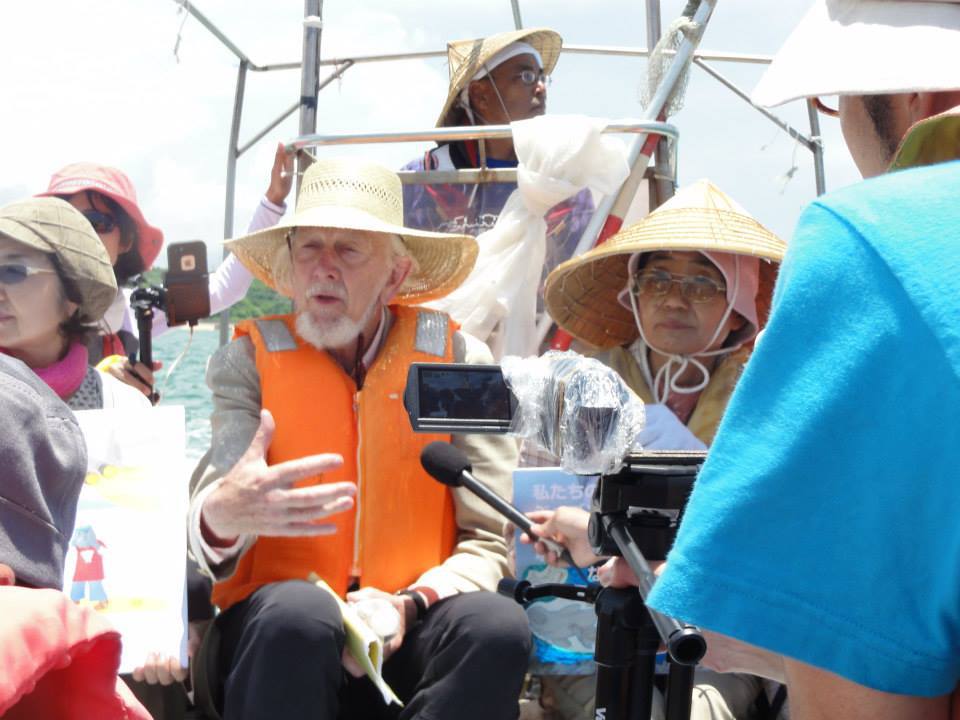
7月初頭、沖縄市民たちとともに辺野古海上リポート。New Wave to Hope より
 

Saturday, July 20, 2013

宮坂浩弁護士(国際法律家協会事務局長)による『沖縄の〈怒〉』書評

日本国際法律家協会の機関誌『インタージュリスト』177号(2013年8月号)に掲載される宮坂浩弁護士による書評を紹介します。

『沖縄の〈怒〉-日米への抵抗』ガバン・マコーマック+乗松聡子著

宮坂 浩

オーストラリア国立大学名誉教授のガバン・マコーマック氏とピース・フィロソフィー・センターの代表で、国法協の会員でもある乗松聡子さんとの共著「沖縄の〈怒〉-日米への抵抗」(法律文化社)が2013年4月に出版されました。


この本は、英語で執筆された「Resistant Islands:Okinawa Confronts Japan and the United States」の日本語版で、ノーム・チョムスキー氏や「敗北を抱きしめて」の著作で知られているジョン・ダワー氏等が推薦文を寄せ、高い評価をしています。

本では、琉球王国が日本に強制併合された琉球処分により差別的構造が作り出されたこと、1945年の沖縄戦では、沖縄は「皇土」と国体を守るための「捨て石」にされ、沖縄の人口の4分の1から3分の1にあたる12万人が殺戮されたこと、戦後、沖縄は米国の「太平洋の要石」とされ、昭和天皇は、沖縄の分離と米国の長期軍事占領を希望したこと、1952年のサンフランシスコ講和条約により本土の米国占領は終わったが、沖縄本島と周辺の島々、宮古・八重山諸島は1972年まで米国占領が続いたこと、1972年の施政権返還は、沖縄の肥沃な土地と空、海を米国が占領し続けるもので、「返還」とはほど遠いものであったこと、冷戦終了後、沖縄に基地を置く理由はなくなったのに、むしろ米軍再編で基地機能は強化され、沖縄の負担は加重されたことなどの歴史をひもときながら、現在の沖縄の問題を分析、論評しています。そして、大田昌秀元知事ら沖縄の抵抗運動を担ってきた人たちへのインタビューは、沖縄の人たちの視点を提供してくれると同時に、日本の本土人の沖縄への構造的差別の問題を私たちに提起しています。

「沖縄にとって不当な現実は、米軍事支配を受ける『戦争国家』として、憲法9条を持つ『平和国家』から切り離された1952年、そして安保改定によりその分断が再確認された1960年を経て、1972年の『返還』時に日本国憲法とその主権在民、基本的人権、平和主義の保障が沖縄に適用されるはずだったのに、実際には安保条約(密約部分を含む)が憲法の優位にたつ状態がずっと続いていることである。」というこの本での指摘は、まさに現在の沖縄問題の本質であると思います。

そして、英語版のタイトル「抵抗する島々:日米に立ち向かう沖縄」を、日本語版では「沖縄の〈怒〉」としたように、沖縄の過重基地負担やそれを生み出す構造的差別について、私たち日本人は自分の問題として捉え、主権侵害を許す日米安保と地位協定の改訂や廃棄について、真剣に取り組まなければならないと思います。

Friday, April 19, 2013

週間金曜日書評『沖縄 の〈怒〉 日米への抵抗』 by 木村朗

鹿児島大学教授、木村朗氏による『沖縄 の〈怒〉 日米への抵抗』(ガバン・マコーマック、乗松聡子著、法律文化社、2013年) の書評を紹介します。2013年4月19日『週刊金曜日』より。

Tuesday, March 12, 2013

新刊案内 日本語版 『沖縄の〈怒〉―日米への抵抗』 (法律文化社) Japanese version of Resistant Islands: Okinawa Confronts Japan and the United States (Rowman & Littlefield, 2012)

(3月15日追記。3月中割引の申し込み先メールアドレスが不通になっているようなのでメールアドレスを変更してあります。chongzihill@gmail.com にお願いします)

新刊案内です。 昨年8月に出した英語の本 Resistant Islands: Okinawa Confronts Japan and the United States (Gavan McCormack and Satoko Oka Norimatsu, Rowman and Littlefield, 2012)  の日本語版が出ます。Japanese version Okinawa no Ikari: Nichi Bei e no Teiko will be on sale with 20% discount (2,352 yen, including tax and shipping and handling within Japan) only for the month of March, 2013  (regular price is 2,940 yen, including tax). Direct order only. Email name, address, and phone number, and the number of copies required to info@peacephilosophy.com.


『沖縄の〈怒〉-日米への抵抗』


著者 ガバン・マコーマック+乗松聡子
法律文化社、2013年4月
A5版/274頁 978-4-589-03485-4
定価 2,940円(税込)

★★★4月刊行ですが、2013年3月中のみ、2割引き(2,352円)、送料込み(日本国内のみ)で直接販売します。chongzihill@gmail.com へ、送付先(住所、名前、電話番号)と冊数をメールください。(注意!出版社ではこの割引は扱いませんので、出版社の方には連絡せず、必ず上記メールアドレスにメールください。)★★★


表紙写真 豊里友行


――1952年4月28日は、日本にとっては敗戦・被占領を経て主権を回復した日だったが、沖縄にとっては日本から切り離され米軍政が継続した「屈辱の日」だった。日本本土ではこのことを知っている人はどれぐらいいるだろうか。この本を読めば、沖縄の視点から、日本近現代史が全く違って見えてくるだろう。特に、米国人読者から「胸が詰まる」との感想が届いている第9章、沖縄からの生の声は必ず読んでほしい。

 
――本書を推薦します――
 

大田昌秀 (元沖縄県知事、沖縄国際平和研究所理事長)
ついに出た必読書! 沖縄人以上に沖縄想いの県外の共著者が、鋭利な頭脳と冷徹な視点で沖縄問題を縦横無尽に剔抉、その核心に触れる問題意識と論評はきわめて説得力があり、沖縄研究上、真実の探求に不可欠な座右の書に相応しい。

高橋哲哉 (東京大学教授)
日本人よ! 今こそ沖縄の基地を引き取れ―この高まる怒りの声に、どう応えるのか。積み重なった犠牲と現在の人権侵害から、目をそらすことは許されない。加害と被害の関係を終わらせる道への示唆が、本書には溢れている。

英語版 Resistant Islands: Okinawa Confronts Japan and the United States は、ノーム・チョムスキ―、ジョン・ダワー、ノーマ・フィールドらが推薦。


――目次――

日本語版への序文(ガバン・マコーマック)
英語版推薦文

序 章 琉球/沖縄―処分から抵抗へ
翻弄される島々/国家の重圧/抵抗

第1章 「捨て石」の果てに―戦争、記憶、慰霊
戦争/住民被害/記憶

第2章 日米「同盟」の正体―密約と嘘が支える属国関係
干渉と密約/日米「同盟」/属国

第3章 分離と「復帰」―軍支配と基地被害は続く
「復帰」とは/1972年5月15日―「返還」という名の安保強化/犯罪、事故、騒音、汚染―基地被害に脅かされ続ける戦後

第4章 辺野古―望まれぬ基地
辺野古新基地案の展開/グアム協定/グアム協定以降―パッケージを開け、包み直し、ひもを掛け直す

第5章 鳩山の乱
属国体制に挑む/迷走と挫折

第6章 選挙と民主主義
民意介入の歴史/流れは変わった―2010年の3選挙

第7章 環境―「非」アセスメント
名ばかりの「アセスメント」/従属の道具としてのアセス/高江とオスプレイ用ヘリパッド/オスプレイ配備―20年間隠された暴力

第8章 同盟「深化」
進む軍事統合とその代償/「トモダチ」関係の屈折

第9章 歴史を動かす人々
与那嶺路代/安次嶺雪音/宮城康博/知念ウシ/金城 実/吉田健正/大田昌秀/浦島悦子

終 章 展望
沖縄、抵抗する島々/日米関係再考/「普天間問題」を超えて

あとがき―日本は「愚者の楽園」のままでいるのですか?(乗松聡子)

――著者紹介――


ガバン・マコーマック Gavan McCormack
 
東アジア現代史。メルボルン大学卒業後、ロンドン大学博士号取得。リーズ大学、ラトローブ大学、アデレード大学で教鞭をとった後、1990年からオーストラリア国立大学太平洋アジア研究学院歴史学科教授。現在、同大学名誉教授。その間、京都大学、立命館大学、筑波大学、国際基督教大学の客員教授を務めた。著書にClient State: Japan in the American Embrace (Verso, 2007) 『属国―米国の抱擁とアジアでの孤立』(凱風社、2008)、Target North Korea: Pushing North Korea to the Brink of Nuclear Catastrphe (Nation Books, 2004) 『北朝鮮をどう考えるのか――冷戦のトラウマを越えて』(平凡社、2004)、Target North Korea: Pushing North Korea to the Brink of Nuclear Catastrphe (Nation Books, 2004) 『北朝鮮をどう考えるのか――冷戦のトラウマを越えて』(平凡社、2004)、The Emptiness of Japanese Affluence (M.E. Sharpe, 1996) 『空虚な楽園―戦後日本の再検討』(みすず書房、1998)等。英国出身、オーストラリア・キャンベラ在住。
 

乗松聡子(のりまつ・さとこ) Satoko Oka Norimatsu

東京出身、カナダ西海岸に通算18年在住。レスター・B・ピアソンカレッジ卒、慶応義塾大学文学部卒、ブリティッシュ・コロンビア大学(UBC)経営学修士。国際教育交流事業運営、UBC異文化間コミュニケーションセンター講師を務めた後、2007年に「ピース・フィロソフィー・センター」(www.peacephilosophy.com)設立、代表。沖縄米軍基地問題、核兵器と原発問題、歴史認識問題等、日本とアジア太平洋地域の平和・人権・社会正義について英語と日本語で研究・執筆活動を行う。海外の学生や教育関係者向けの広島、長崎、沖縄等への学習旅行の企画・講師・通訳も務める。訳書『広島長崎原爆投下再考-日米の視点』(法律文化社、2010年)他。ツイッター: @PeacePhilosophy フェイスブック: Peace Philosophy Centre
 
両著者はオンライン英文誌『アジア太平洋ジャーナル:ジャパン・フォーカス』(www.japanfocus.org)編集コーディネーター。同ジャーナルは2008年、沖縄についての英語発信に対し琉球新報社より池宮城秀意賞を受賞。
 

以下、チラシです。


Tuesday, August 21, 2012

残暑お見舞いと、出版のお知らせ Summer Greetings, and New Publication

Scroll down for English message.

残暑お見舞い申し上げます。

ブログの更新をずっとしていなくて申し訳ありません。8月は日本にいて広島長崎の仕事や家族の用事で移動も多く、ネット活動もままならないでおります。9月からまた再開したいと思っております。

ピース・フィロソフィー・センター管理人 (フェースブックでは Peace Philosophy Centre, ツイッターでは@PeacePhilosophy)

また、このブログのサイドバー左上にも案内しておりますが、7月末に英語の本を出版しております。

ガバン・マコーマック、乗松聡子 著
『抵抗の島々:日米に対し立ち上がる沖縄』
(ロウマン&リトルフィールド社、2012年7月)
出版社のウェブサイトは:
https://rowman.com/ISBN/9781442215627
(ノーム・チョムスキ、ジョン・ダワー、ノーマ・フィールド氏らからの推薦文有)

日本のアマゾンでのご注文はこちら。

日本の英字紙、ジャパン・タイムズに載った書評は:
 http://www.japantimes.co.jp/text/fb20120805a1.html

二著者はともに英文オンラインジャーナル『アジア太平洋ジャーナル:ジャパンフォーカス』(2002年創刊)のコーディネーターです。

ガバン・マコーマックの記事集は→ http://japanfocus.org/-Gavan-McCormack
乗松聡子の記事集は→ http://japanfocus.org/-Norimatsu-Satoko

日本は残暑厳しいですがみなさま熱中症などに気をつけてお過ごしください。@PeacePhilosophy

I apologize for not having updated the Peace Philosophy Centre's blog for some time. It has been difficult for me to keep up my Internet activism during the month of August, due to my commitment to the Hiroshima/Nagasaki study tour and family obligations. I will be back in September. In the mean time, please also visit Peace Philosophy Centre's Facebook and Twitter (@PeacePhilosophy).

Please also allow me to announce again the publication of an English-language book that I have co-authored with Gavan McCormack.

Gavan McCormack and Satoko Oka Norimatsu
Resistant Islands: Okinawa Confronts Japan and the United States
Rowman & Littlefield, 2012
Information on the publisher's website, including blurbs from Noam Chomsky, John Dower, Norma Field, etc. - see under "Reviews" tab.
https://rowman.com/ISBN/9781442215627

See review on The Japan Times: http://www.japantimes.co.jp/text/fb20120805a1.html

To order on Amazon (US).

Both authors are coordinators of the Asia-Pacific Journal: Japan Focus (http://japanfocus.org)

See Gavan McCormack's articles at: http://japanfocus.org/-Gavan-McCormack
See Satoko Oka Norimatsu's articles at: http://japanfocus.org/-Norimatsu-Satoko

Enjoy the rest of the summer!

@PeacePhilosophy

Tuesday, April 17, 2012

沖縄についての「誤解」-沖縄県「地域安全政策課」主任研究員の米国シンクタンク寄稿文について


沖縄についての「誤解」-沖縄県「地域安全政策課」主任研究員の米国シンクタンク寄稿文について

2012年4月17日

ガバン・マコーマック 乗松聡子

新設された沖縄県地域安全政策課の吉川由紀枝主任研究員による、米国の戦略国際問題研究所(CSIS)への寄稿文(2012年4月5日付)について以下の報道がされている。

県研究員が県経済の基地依存否定(沖縄タイムス)http://www.okinawatimes.co.jp/article/2012-04-11_32333/

県「統合案支持ではない」三連協に説明(沖縄タイムス)
http://www.okinawatimes.co.jp/article/2012-04-12_32376/

普天間移設 県研究員が統合提案(琉球新報)
http://ryukyushimpo.jp/news/storyid-189809-storytopic-3.html

原文のリンクはここである。
Misunderstandings on the US Military Bases in Okinawa http://csis.org/files/publication/pac1224A.pdf

報道では嘉手納統合案に焦点が当たっているようだが、この論文には議論すべき重要な論点が他にもある。沖縄や日本の人々の目に触れることは大事であると信じ、以下に翻訳し、我々のコメントを後に記した。この投稿の理由は、この地域安全政策課が目指している、闊達な議論を促すという目的を共有するからである。コメントを歓迎する。

  沖縄米軍基地についての誤解

  吉川由紀枝

海兵隊普天間飛行場の移設問題は、日米間の長期間にわたる論争の種となってきた。関係者全員-米国、日本、沖縄-が、普天間は(住宅地に隣接しているため)危険であると合意し、事故リスクの除去と地元における米軍フットプリントの減少(負担軽減)という目的を共有し、日米同盟を強く尊重している中、この状況は特異なものである。二つの中央政府の大変な努力にもかかわらず、この問題はほとんど20年間も解決されない状態が続いている。

我々は、誤解のこじれを解き、意志疎通の不足を解決し、この問題を終わらせる必要がある。この問題については沖縄からの視点がほとんど語られていない。そこで、ここで沖縄についてのよくある誤解3点について述べ、沖縄が本当に何を欲しているのかを述べる。

誤解1「沖縄は基地経済に依存している」

米軍基地は、米軍資材調達、基地労働者の給与、地代(基地関連収入)によって地元経済に貢献している。このことから、基地収入の減少を懸念し、基地はそのままであるべきだという声がある。しかし実際は県GDPにおける基地収入の割合は低く、2006年には5.4%であった。沖縄返還時の1972年には15.6%だったことに比べれば顕著に減少している。

対照的に、1972年時と比べると、沖縄の主要産業、観光産業は2008年には基地収入より多くの収入をもたらした。1972年時に比べたら逆転したのである。1972年の観光収入は9千万ドル、基地収入は3億1670万ドルであった。2008年には観光収入は41億ドル、基地収入は33億ドルであった。したがって、一般的認識に反し、沖縄では他産業の方が経済効果をもたらす能力があり、基地収入より多くの収入をもたらしている産業もある。2010年には基地労働者は9135人だったのにくらべ情報産業では2万212人であった。

誤解2 「沖縄は米軍基地について『サラミ・テクニック』をもちいている」(訳注:サラミを薄く削り取るようなイメージから、少しずつ取り除いて最後には全部取っていくという意味)

普天間が返還されたら、沖縄は次から次へと返還を要求し、最後には全部の返還を求め、妥協を全く認めないだろうと思っている人がいる。この議論は、沖縄本島の南北の経済格差、海兵隊に対する強い感情、沖縄人が基地受け入れについて言っていることを無視している。一点目として、一般的に言うと、本島北部は山がちで、80%の人口が住む南部は平地である。沖縄が特定の土地の返還を要求するのは、その土地の経済的可能性を反映しているのである。

普天間と、2006ロードマップで返還されることになっている4基地(キャンプ桑江、キャンプ瑞慶覧、牧港サービスエリア[キャンプ・キンザー]、那覇港湾施設)は全部本島南部に位置し、沖縄の人々に返還されたら高い経済効果を期待できる場所である。野村総研の推計によると、この5基地が返還されたら経済効果は33倍になり得る。たとえば、普天間(481ヘクタール)が返還されたら、年間の商業活動はドル換算では現在の1億5千800万ドルの基地関連収入から激増して56億5千200万ドルとなる。北谷の美浜とハンビー地域(65.4ヘクタール)が返還された後、商業収入は4000ドルから6億9千580万ドルと大きく増加した。沖縄が海兵隊普天間飛行場、キャンプ・キンザーと他の南部の基地返還を要求する正当な経済的理由があるのは明白である。

二点目として、海兵隊削減は、地元住民の反対感情に大きな変化をもたらす。この反対感情は主に、海兵隊は他軍に比べたら犯罪数や事故数が多いということによる。例を挙げれば、2011年には、海兵隊が犯した、または関与した犯罪や事故は50件に上る。空軍は27件、海軍は7件、陸軍は6件であった。この5基地のうち4基地が海兵隊のものであるということは沖縄に歓迎されるもう一つの要素となるだろう-空軍を含め他軍を受け入れている地域はこの強い感情を共有していない。

三点目として、受け入れ地域が何を言っているのかにもっと目を向ける必要がある―宜野湾市は、沖縄県と同様に常に普天間返還を訴えてきた。嘉手納基地(南部のもう一つの重要基地)については、沖縄県と嘉手納基地を抱える地域は騒音を減らすことを欲している。

誤解3 「沖縄は金が欲しいだけだ」

多くの批判者たちは「沖縄は金が欲しいだけである。それで強気の交渉をしてきている」と言う。実際はそれどころか、沖縄は著しい経済発展をしてきており、東京が沖縄の基地への支持を金で買えるという一般認識は有効性を失ってきている。2010年名護市長選で辺野古案に反対する稲嶺市長が当選したことからも、沖縄を説得するのに金は適切な言語ではないことがわかる。政府が寛大な提供をしてきたにもかかわらず、名護市の一人当たりの所得は1997年以来、沖縄のそれよりも常に低い状態が続いている。

沖縄は日本の他地域との基地負担分担において、尊厳と公平性を求める。他の地域が米軍のフットプリント(駐留)を欲していないからというだけで沖縄が基地負担をすべきだ、という中央政府の説明は沖縄人に受容できるものではない。沖縄の「NO」に、どうして他地域からのそれと同じ重みを与えないのか。日本政府は本土25か所を検討したというが、あらかじめメディアにそれをリークして、各地域に「自分の裏庭に持ってくるな!」という反対感情を強化する時間をゆるし、それらの地域の苦情を受け入れ、そのまま先に進んだ。これでは真剣に検討したとは言えない。

鳩山首相は、日本と東アジアの安全保障のためには沖縄の米軍基地が必要であるという政府の主張に対する沖縄の人々の信頼を壊した。沖縄が抱く疑問への、明解で誠意のある回答を求めている。

どうして沖縄が1945年以来ほとんど変わらず、日本全体の74%の米軍基地を負担しなければいけないのか?一つの島に集中させるのではなく、仕掛け線として、沖縄を含め日本の西海岸沿いの何か所かに米軍基地を分散させる方が、オーストラリア、シンガポール、フィリピンを含む東アジア全般に武力を分散させる最近の米軍の戦略に沿ったものとなる。

沖縄は何を欲しているのか

先述の様に、沖縄にとって普天間と他4基地の返還には強い経済的理由があり、日米両政府がこの方向に動くように最大の尽力をすることを歓迎する。沖縄は、普天間返還と部隊移動の件を切り離すという最近の発表を評価する。しかし実際悪魔は細部に宿るというし、まだ細部が公開されていないので、沖縄は何ごとも声高に言うことは躊躇する。

仲井眞知事は、辺野古案を推進するには名護市長と県知事の両方の合意が必要だと信じる。名護市民は辺野古案に反対する市長を選び、知事は、少なくとも任期終了の2014年末までは、知事が立場を変えることのできるような政治的状況になる希望はほとんどないので、知事は日米に案を修正するように要請している。

辺野古案にもっと許容的な政治的状況をつくりだす可能性のある次の名護市長選まで待ったらいいという見方があるかもしれないが、市長選は2014年までないし、沖縄の人々はそこまで待てない。さらに、知事選が同じ年に予定されており、知事と名護市長が辺野古案を支持できるような政治的状況になっているかどうかはわからない。

大ざっぱに言って、沖縄の人々の中で基地に賛成の人(そのうち多くは防衛省からの請負事業から利益を得る人たち)は少数派であり、基地全ての返還を要求する反基地の人たちも少数派である。大多数は物言わぬ多数派であり、その人たちは穏健派で、アメリカ文化と(基地の)経済効果への憧れ(特に過去のそれら)と、米軍兵、特に海兵隊による犯罪と、騒音を含む基地がもたらす不都合に対する怒りと悲しみという感情を併せ持っている。鳩山首相のフリップ・フロップ(ころころ変わること)が、この物言わぬ多数派の人たちを遠ざけてしまったので、この人たちが辺野古案に支持を表明するのには時間がかかると見られる。(訳者注:4月12日の時点でプリントアウトした記事には、「大ざっぱにいって、沖縄では基地賛成は20%、反基地は20%、残りの60%は物言わぬ多数派」と、具体的な数字がついていたが、4月15日の時点でこの部分は削除されている。)

沖縄の人々にとっては、沖縄の政治的状況に従いながら、なるべく早くに米軍基地の具体的な削減をすることが一番の優先順位を持つ。沖縄の人々は、ジム・ウェブ上院議員、ジョージ・ワシントン大学のマイク・モチヅキ氏、ブルッキングズ研究所のマイケル・オハンロン氏などが提唱する代替案を知的に探究することを評価する。

次のような案はさらなる検討に値する。
-嘉手納基地のフットプリント(基地影響)を現在より減らしながら普天間の嘉手納基地統合をすること。私は、嘉手納のフットプリントを今のレベルより大きくする案はいかなるものでも地元に受け入れられないことをここで強調する。
-米国の海兵隊削減の線に沿った沖縄海兵隊の相当数の削減
-二段階の方法:まず暫定的に海兵隊を岩国、嘉手納、プラス/あるいは自衛隊基地に移動することで普天間を空にし、日本政府が普天間代替施設として適切な場所を探す時間をかせぎ、そしてその場所に普天間基地を移設する。

2012年4月、沖縄県庁は、地域安全政策課という、沖縄なりの代替案を作成し、それらについて外部の専門家や日米両政府と協議するための新しい部署を創設した。日本の一自治体としては踏み込んだ動きといえる。沖縄県庁は固定観念にとらわれない考え方をし、在日米軍の責任ある受け入れ地域として、地域安全保障に誠実な貢献をする者として、そして長年十分苦しんできて、今も苦しみ続けている沖縄の人々の誇り高き代表者として、この部署を設立した。

(翻訳 以上)

これに対し、我々は以下のような論点を提起したいと思う。

この論文は、「沖縄が基地経済に依存している」とか、メア差別発言に象徴されるように「沖縄が金目当てである」といった理解が間違っているという、重要な指摘を海外に対して発信している。基地負担や普天間移設候補地選びにおける本土の沖縄に対する差別を糾弾し、公平さと尊厳を求めていることも正当な議論といえる。

しかし、この論文は沖縄を在日米軍の「責任ある基地受け入れ地域」と呼び、現状の日米同盟と安保条約の無批判の受容を大前提としているように見える。まずはこの大前提に疑問を投げかけたい。この論文を読んだ沖縄の作家、浦島悦子氏はこう言う(著者へのメールにて)。

そもそも沖縄の米軍基地は、沖縄が責任をもって受け入れたものではなく、日米両政府によって押しつけられたものであり、それが今まで続いていることが極めて不当かつ異常であることが問題の本質です。「物言わぬ多数派」がそのことに気づき、考え、物を言うようになったからこそ、状況が変わり、知事も姿勢を変えざるを得なくなったのであり、彼らはもはや「物言わぬ多数派」ではなく「物言う多数派」となっています。

日米と沖縄が「日米同盟を強く尊重している」、とも述べているが、沖縄についてはどうだろうか。2009年の県民世論調査では、米軍の日本駐留を含む日米安保条約について「維持すべきだ」と答えたのは16.7%に過ぎず、10.6%が「破棄すべきだ」、42%が「平和友好条約に改めるべきだ」、と答えている。安保条約と米軍駐留自体にまったく疑問も呈さない姿勢で「沖縄の欲すること」を代弁できていると言い切れるだろうか。この論文は、被支配や戦争被害の「歴史」を乗り越え「現在」に生きることを訴え、日米軍事同盟の容認を前提にした「基地沖縄」の存在意義を強調し、厳しい批判の対象となった2000年の「沖縄イニシアチブ」の新バージョンように見える。4月2日『琉球新報』には、「沖縄イニシアチブ」で中心的役割を果たした高良倉吉氏(琉大教授)を地域安全政策課のアドバイザーに迎えるとあることからも、そう思えて仕方がないのである。

また、この論文には、南北の経済格差を指摘しながら、80%の人口を擁する平地の南部のために、「山がち」で人口も少ない北部が犠牲になってもいいような論調がある。これでは、日本における沖縄構造差別がある一方、「経済的ポテンシャル」の大きい南部を北部より優先させるという形で沖縄県内の構造差別を強化してしまうのではないか。基地返還の理由を経済的理由に絞り込み、辺野古案の懸念である、ジュゴンを含む大浦湾の生態系への影響や、人口の少ない地域の基地被害、とりわけオスプレイ配備により予想される被害の増大を考慮していないのではないか。この論文は、北部訓練場におけるヘリパッド移設やオスプレイ配備がもたらす地元住民への危険性増大や、やんばるの森の自然環境への影響にも全く触れておらず、北部切り捨て策であると思われるのではないか。

また、一番の問題は海兵隊であり、空軍等他軍の基地受け入れ地域の人々は米軍の犯罪や事故に対する「強い感情」を共有していないという見方も議論の必要があるのではないだろうか。嘉手納のフットプリントを増やさないといいつつも、受け入れ地域が欲しているのは騒音減少であり、海兵隊に対するものほどの強い反対感情はないので、普天間基地の統合をしやすいと論じているようにも読める。

さらにこの論文は、2010年知事選でも結果的に辺野古案を支持した候補に投票した人は2%程度だったこと、また数々の選挙、自治体決議、県民大会、世論調査、辺野古や高江で長期間続く市民による反対運動、不正アセスに対する県を挙げた怒りなどに見られるように、辺野古移設案には県民大多数の反対があるということを、民意の表れというより「政治的状況が許さない」という視点でとらえ、沖縄県知事は「政治的状況」さえ許せばいつでも辺野古案支持に戻りたいという姿勢を表明しているように見える。

仲井眞知事は、前知事選の直前に、従来の県内移設容認を翻して県外移設に立場を変えた。それは、県内の大多数が辺野古移設に反対しているという「政治的状況」があったからであった。この論文はそれを否定的にとらえ、その責任は、鳩山首相が沖縄の人々の米軍沖縄駐留への「信頼」を壊し、「物言わぬ多数派」を翻弄したせいとする。辺野古案反対が高まったことを否定的にとらえ、しかも全て鳩山氏の資質-「フリップフロップ」(ころころ変わること)のせいにしているように見える。沖縄のジャーナリスト吉田健正氏は、この論文の沖縄世論についての理解をこう見る(著者へのメールにて)。

吉川氏の「基地全ての返還を要求する反基地の人たちも少数派である。大多数は物言わぬ多数派」というのは、一昨年の県民大会や県議会決議で表明された全県的な基地反対、沖縄県民の戦争体験や占領下の戦後の人権や強制的土地接収の問題などに関する多くの人々の記憶、40年前の「本土復帰」で変わらなかった米軍基地の実態(現在も続く米軍優先の安保、沖国大への墜落ヘリ墜落や少女暴行事件や飲酒運転などの米軍関連の事故・事件、汚染問題)への悔しさを無視しています。世論調査の結果も無視しています。

鳩山氏の「最低でも県外」の公約は、沖縄の多くの人々の、諦めていた本来の希望を呼び起こしたのではないのか。鳩山氏が辺野古案に最終的に回帰して沖縄の多数の人々を失望させたのは確かだが、それは日本の官僚機構や米国が彼の言うことを聞くのを拒んだからではないか。鳩山氏自身にも責任はあるだろうが、彼のように虐待や威嚇にさらされた首相はいなかった。鳩山氏が潜在的な民意の目覚めのきっかけを作ったこと自体を非難し、その民意自体をまた鎮静することによって辺野古案を受け入れる「政治的状況」が生まれることを願う論調は、「沖縄の欲すること」を代弁しようとしているこの論文の目的自体に背くことなのではないか。沖縄の多数派が「辺野古案に支持を表明するのには時間がかかると見られる」ということは、鳩山氏のような「ころころ変わる」人間さえいなくなれば沖縄も名護市も辺野古案で説得し切れるだろうと言っているように聞こえる。「ころころ変わる」と言えば、仲井眞知事が同じくらい、いやそれ以上の「ころころ変わり」人間なのではないか。辺野古移設容認だったのが、2010年の知事選前に立場を変えた。しかし今も県内移設に明確に反対せず、また立場を変える余地を残しているようだ。「県外移設の方が早く解決できる」と言っていることから、辺野古案自体に根本的な問題はないと思っているようだ。

この論文の趣旨は、沖縄県民を代表して、よくある誤解を正し、「沖縄の欲するもの」を伝えることのようだが、県庁の新部署・地域安全政策課の主任研究員として、著者の吉川氏は県庁や知事の見解を読者に提示するものなのか、この課の研究の成果の一環として発表しているのかが不明であり、その辺を明らかにする必要があると思う。特に、県政府やその首長の方向性と、沖縄の市民社会とその自律性の間に横たわるギャップがあるとしたらそれをどうすり合わせていくのか。「沖縄の欲するもの」といった表現をするときの「沖縄の人々」とは誰のことを指しているのか。先に触れた琉球新報の記事や、沖縄タイムスの報道(リンク)によれば、地域安全政策課には、吉川氏の論文でも触れられているマイク・モチヅキ、マイケル・オハンロン両氏に加え、「米外交問題評議会(CFR)のシーラ・スミス上級研究員やライシャワー東アジア研究所のケント・カルダー所長」といった米国のアドバイザーがいるようだが、もっと重要なことは沖縄の市民社会とどのように関わっていくかということなのではないか。沖縄の人々で構成されるアドバイザーのグループというものを設置する予定はあるか。また、この地域安全政策課にどれだけ批判的能力を発揮する自由が与えられているのか。要するに、必要とあらば県庁や県知事を批判的に見ることができるのか。

繰り返すが、この論文が、沖縄経済の基地依存度に関する間違った認識を指摘し、本土が過重な基地負担を沖縄に押し付けている不平等性や差別を是正する重要性について述べていることは評価し、日本本土や米国に対して、何度言っても言い過ぎということはないと思う。県庁の中にできたシンクタンクとも言える地域安全政策課の研究成果が県内外、海外に広く知られ、沖縄の人々の声が政策決定に影響を及ぼしていくことに貢献してほしい。

以上

ガバン・マコーマック(オーストラリア国立大学名誉教授)と乗松聡子(在カナダ/ピース・フィロソフィー・センター http://peacephilosophy.com代表)は英文誌『アジア太平洋ジャーナル:ジャパンフォーカス』http://www.japanfocus.org (2002年設立、2008年琉球新報池宮城秀意記念賞受賞)のコーディネーターである。2012年7月、共著で Rowman & Littlefield 社から Resistant Islands: Okinawa Confronts Japan and the United States 刊行予定。

PDF版はここにあります。
https://docs.google.com/open?id=0B6kP2w038jEAVFBwSzRLUng0YVU

リンク歓迎、転載は自由ですが、全文と本記事のURL http://peacephilosophy.blogspot.ca/2012/04/blog-post_18.html を明記してください。その上で転載先のURLとともにご報告ください。この投稿についてのコメントや問い合わせ、転載の報告は、info@peacephilosophy.com にお願いします。コメントをいただく場合、公開していいかどうか付記してください。


追記:この投稿についてコメントしているサイトを紹介します。

Project Disagree 合意してないプロジェクト「主体的な安全保障?のつづき」
http://www.projectdisagree.org/2012/04/blog-post_18.html


Sunday, March 18, 2012

McCormack and Norimatsu, Resistant Islands: Okinawa Confronts Japan and the United States 近刊予告

Introducing a book to be published in July, 2012. See also the publisher's website.

2012年7月発売予定の本(英語)を紹介します。『属国 米国の抱擁とアジアでの孤立』(凱風社、2008年 新田準訳)らの著作で知られるガバン・マコーマック氏と、このブログの運営者の共著によるものです。表紙写真は沖縄の写真家、豊里友行氏によるものです。12章は、与那嶺路代、宮城康博、知念ウシ、金城実、安次嶺雪音、吉田建正、浦島悦子、大田昌秀 各氏による「沖縄からの声」です。日本語版は法律文化社から出る予定です。@PeacePhilosophy


Resistant Islands:

Okinawa Confronts Japan and

the United States 


By Gavan McCormack and Satoko Oka Norimatsu

Cover Photo by Toyozato Tomoyuki
ABOUT THE BOOK
This book offers the first comprehensive overview of Okinawan history from earliest times to the present, focusing especially on the recent period of colonization by Japan, its disastrous fate during WWII, and its current status as a glorified U.S. military base. The base issue is a hugely hot-button controversy in Japan and has become more widely known in the wake of Japan’s recent natural disasters and the U.S. military role in emergency relief.
 Adopting an “Okinawa-centered” view of Japan’s post-Cold War history and the U.S.-Japan strategic relationship, the authors focus on the 15-year Okinawan resistance against the U.S. and Japanese governments’ plan to build a new Marine air/naval base at Henoko, on the northeastern shore of Okinawa. They set these contentious issues in the context of Okinawa’s pivotal role in U.S. Pacific strategy, particularly its recasting in the post-Cold War era. More broadly, Okinawa rejects the base-dominated role allocated it by the U.S. and Japanese governments under which priority attaches to its military functions, as a kind of stationary aircraft carrier. The result has been to throw U.S.-Japan relations into crisis, bringing down one prime minister and threatening the incumbent if he is unable to deliver Okinawan approval of the new base. Okinawa thus has become a template for reassessing the troubled U.S.-Japan relationship; indeed, the geopolitics of the U.S. empire of bases in the Pacific. 

TABLE OF CONTENTS

Chapter 1: Ryukyu/Okinawa: From Disposal to Resistance

Chapter 2: War, Memory, and Commemoration

Chapter 3: Japan’s American Embrace and the “Partnership” for Peace and Prosperity

Chapter 4: Okinawa: Separation and Reversion

Chapter 5: Henoko – The Unwanted Base

Chapter 6: The Hatoyama Revolt

Chapter 7: Post-Cold War – Elections and Democracy

Chapter 8: Environment: The “Non-Assessment”

Chapter 9: “Deepening” the Alliance – the Kan Agenda

Chapter 10: “Deepening” the Alliance – Washington Agendas

Chapter 11: Senkaku/Diaoyu: Okinawa as Militarized Outpost or as Bridge of Nations?

Chapter 12: Turning History Around - History as Lived Experience

Chapter 13: Prospect
*** Chapter 12 presents voices from Okinawa: Yonamine Michiyo, Miyagi Yasuhiro, chinin usii, Kinjo Minoru, Ashimine Yukine, Yoshida Kensei, Urashima Etsuko, and Ota Masahide.

ABOUT THE AUTHORS

Gavan McCormack is emeritus professor in the Research School of Pacific and Asian Studies at Australian National University in Canberra. 

Satoko Oka Norimatsu is founder and head of the Peace Philosophy Centre in Vancouver and a member of the University of British Columbia’s Centre for the Study of Historical Consciousness. 

See Rowman and Littlefield's website.

Friday, December 30, 2011

年末年始の挨拶にかえて Season's Greetings

(1月11日追記。NHK番組は、下記のリンクにアップされています。
http://www.dailymotion.com/video/xnhj52_yyyyyyyyy-1-2-yyy-yyy-yyy-yyyyyy_news
http://www.dailymotion.com/video/xni1ij_yyyyyyyyy-2-2-yyy-yyyyyy-yyy-yyy_news#rel-page-1)

2011年最後の投稿になります。年末年始の挨拶にかえて、新年注目の番組の案内と、近刊本の紹介をします。Season's greetings to all. I would like to bring your attention to an upcoming TV program on Japanese national broadcaster NHK. Specialists of modern Japanese history John Dower and Gavan McCormack appear in a special New Year program, including Dower's special report from Ground Zero in New York and McCormack's from Okinawa, from 8 to 10 PM, January 2, on NHK BS1. The title of the program in English would be: J. Dower and G. McCormack - After the Quake: Eyes Towards Japan and the World.

日本近現代史専門家、オーストラリア国立大学名誉教授、ガバン・マコーマック氏は、沖縄の米軍基地問題についての論文等、このサイトでも何度も紹介してきました。和訳された近著には、『「属国」-米国の抱擁とアジアでの孤立』(凱風社、2008年)(Client State - Japan in America's Embrace, Verso, 2007), 『北朝鮮をどう考えるのか』(平凡社、2004年)(Target North Korea: Pushing North Korea to the Brink of Nuclear Catastrophe, New York, Nation Books, and Sydney, Random House Australia, 2004) などがあります。

そのマコーマック氏が、日本の敗戦後の文化を描いた『敗北を抱きしめて』(Embracing Defeat), 戦争における人種差別的動機を論じた『容赦なき戦争』(War Without Mercy) などで知られるMITのジョン・ダワー氏とともに、NHK・BS1の新年特別番組に出演します。NHKのサイトから引用します。

NHK番組案内サイトより。

2012 巻頭言特集
「J.ダワ―×G.マコーマック 震災後 日本と世界への眼(め)」
BS1  1月2日(月)午後8:00~8:50(前編)、午後9:00~9:49(後編)


未曽有の大震災に襲われた日本。EUの経済危機。アメリカによるアジア・太平洋地域への安全保障と経済圏の重点地域シフト。日本と世界は、激動の中で2012年を迎えた。アメリカの日米関係研究者ジョン・ダワー氏と、アジア・太平洋を視野に日本を見続けて来たガバン・マコーマック氏(オーストラリア)が、みずから訪問したニューヨーク、沖縄からの報告も交え、独自の視点で日本と世界の今と未来を語り合う。
【出演】MIT名誉教授…ジョン・ダワー,オーストラリア国立大学名誉教授…ガバン・マコーマック
【語り】広瀬彩
以下NHKのリンクで、写真集、予告動画を見ることができます。See below link for a trailor - a green box on the right, with John Dower's picture.
http://cgi2.nhk.or.jp/navi/detail/index.cgi?id=11w15120120102

ガバン・マコーマック氏は、コーネル大学のマーク・セルダン氏、広島平和研究所の田中利幸氏、当ブログ運営者(乗松聡子)らとともに、日本をはじめアジア太平洋地域の社会・経済・文化・歴史問題を幅広く扱う英文オンラインジャーナル『アジア太平洋ジャーナル:ジャパンフォーカス』The Asia-Pacific Journal:  Japan Focus (2002年創立)の編集コーディネーターをしています。「ジャパンフォーカス」は、2008年には、沖縄についての英語発信を認められ、琉球新報社から「池宮城秀意賞」を受賞しました。311(東日本大震災と福島第一原発事故)以来、このジャーナルが出してきている記事は、質においても量においても、英文メディアの中で突出していると思います。記事は学術的なものからジャーナリスティックなものまでさまざまで、"HOT" 欄では、コンコーディア大学のマシュー・ペニー氏が中心となり、よりニュース性の高い内容の記事を扱っています。記事はすべて無料閲覧でき、運営は、読者からの寄付金で成り立っており、英語圏の大学等で教材としても幅広く使用されています。Gavan McCormack is a Coordinator of The Asia-Pacific Journal: Japan Focus, an on-line journal established in 2002. In 2008, the journal received an award from Okinawan newspaper Ryukyu Shimpo for dissemination of important Okinawa matters in English.

2012年5月には、マコーマック・乗松共著により、主に過去15年間の普天間基地「移設」問題を論じ、日米政府に明確な「NO」を突き付ける沖縄を描く本、Resistant Islands: Okinawa Confronts Japan and the United States が米国 Rowman and Littlefield 社から出る予定です。この本では「沖縄の声」として、大田昌秀、浦島悦子、宮城康博、知念ウシ、吉田健正、与那嶺路代、金城実、安次嶺雪音 各氏からの協力をいただいています。この本は2012年中ごろ、日本語版も出版予定です。またこのサイトでもお知らせします。Upcoming publication by McCormack and Satoko Oka Norimatsu (owner of this blog) will be Resistant Islands: Okinawa Confronts Japan and the United States, to be published by Rowman and Littlefield in May, 2012.

2011年年末、このブログをはじめてからちょうど5年になります。カナダ・バンクーバーで平和教育活動をしてきて、最初はイベントの紹介や報告が中心だったのですが、2009年後半以降は沖縄のことを英語で書くことが多くなり、2011年311以降は原発問題を中心に、主に日本語で発信してきました。特に311以来は日本の方がたくさん読んでくれるようになり、また、ブログやツイッターやフェースブックから、翻訳や執筆等で協力していただける仲間ができたことは、一番有難く、励みになりました。来年もよろしくお願いします。皆さまよいお年をお迎えください。The end of 2011 marks the fifth anniversary of this blog. We will continue to write so that we can together make this world a fairer, healthier, and a better informed place.

感謝をこめて 2011年12月31日 With much appreciation and love,

Satoko @PeacePhilosophy

Tuesday, September 27, 2011

Japan Focus: Discordant Visitors: Japanese and Okinawan Messages to the US アジア太平洋ジャーナル:ジャパンフォーカス 仲井真、野田の不協和な米国訪問

オンライン英文ジャーナル『アジア太平洋ジャーナル:ジャパンフォーカス』より転載。9月19日仲井真沖縄知事はワシントンの大学で演説し普天間「代替基地」を沖縄県内に作ることへの反対を明らかにし、県外移設を訴えた。一方、野田首相は21日ニューヨークでオバマ大統領と首脳会談を持ち、日米合意の履行に向けて「沖縄の理解」を得る努力をすることを伝えた。ちょうど同時期に米国に行って全く異なることを訴えた沖縄と日本のリーダーの「不協和な訪問」。この過去数日このブログで扱ってきた「野田オバマ会談報道はおかしい」問題も議論する。ガバン・マコーマックと乗松聡子による記事。(@PeacePhilosophy)


Reprinted from the Asia-Pacific Journal: Japan Focus


Discordant Visitors: Japanese and Okinawan Messages to the US

Gavan McCormack and Norimatsu Satoko

Governments come and go in Japan, Noda Yoshihiko’s the most recent, being the third since the general elections of 30 August 2009 brought the Democratic Party of Japan (DPJ) to power, following those of Hatoyama Yukio and Kan Naoto. In the weeks following his assumption of office, Noda has stated his core vision for the office on many occasions, including his inaugural Diet speech as Prime Minister on 13 September. He promises to confirm, deepen, and strengthen the alliance with the US, “the axis of Japan foreign policy and security.”That means, above all else, he will construct the base for the Marine Corps in northern Okinawa designed to substitute for the Futenma base that squats dangerously in the middle of the township of Ginowan.
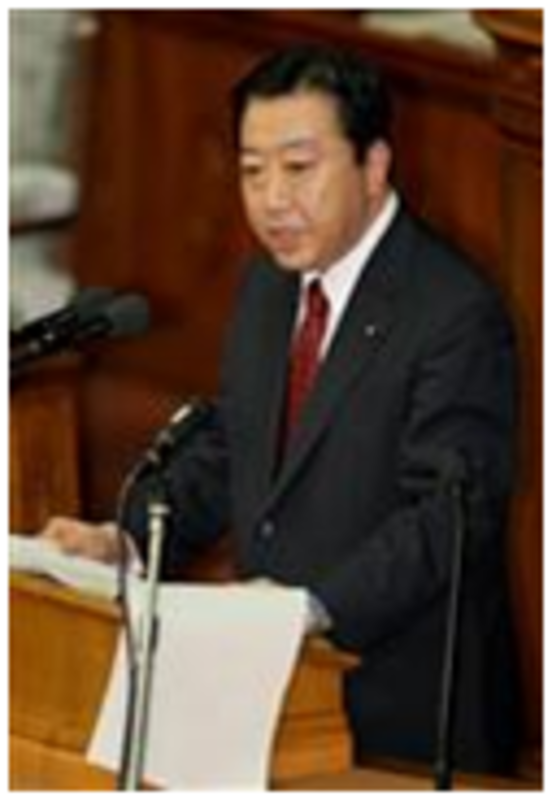
Prime Minster Noda
Yoshihiko at the inaugural
speech on September 13


The fact is, however, that for the past 15 years a series of Prime Ministers – seven of the LDP and three of the DPJ1 – have tried without success to accomplish this. Inter-governmental agreements on the “Futenma Replacement Facility” have been made, postponed, revised, and postponed again (1996, 2006, 2009, 2010, and 2011), mostly because of the constant opposition in Okinawa, and Noda is no more likely than his predecessors to resolve the issue. The Okinawan opposition has grown steadily more determined over those fifteen years, especially the last two, since the DPJ took power promising to transfer Futenma base outside of Okinawa and then reneged on its promise. So Noda takes office pledging to do the impossible, and therefore is almost guaranteed to join the conga line of Prime Ministers jigging offstage after the others in the near future.

On 21 September, meeting President Obama at the UN headquarters in New York for the first time, Noda assured the President that“We will strive to achieve cooperation in line with the agreement between Japan and the United States, and I will do my best to gain the understanding of the Okinawa people.”2


Japan-US Bilateral Meeting

First reports (from AP and Kyodo)3 of the meeting said it lasted 45 minutes, but that was soon revised downwards to“about 35 minutes”(which, allowing for interpreting, meant at most twenty minutes). There can scarcely have been time for detailed discussion of anything but the agenda ranged far and wide, from the two parties “hailing” their alliance, Noda declaring it “even more unwavering” than it had been and Obama promising that “much, if not most of the history of the 21st century will be written in Asia, and the United States wants to be a full part of that history going forward.”4 They then moved briskly through the Japanese tsunami catastrophe of March, the ongoing nuclear crisis that it precipitated, Japan’s gratitude for American aid, the global economy (which worried both), North Korea (with Japan, as always at high-level meetings, seeking American help in solving the problem of abductions of Japanese citizens by North Korea three or four decades ago), the free trade Trans Pacific Community project (Noda’s government was thinking about it), restrictions on US beef imports (it was thinking about that too), to the Hague Convention on the Civil Aspects of International Child Abduction (this seems to have consumed much of the attention of the meeting and on this too, Noda’s government was thinking, although it was known to be unenthusiastic). Obama also thanked Noda for Japan’s $5 billion contribution towards Afghanistan reconstruction programs and Noda promised that he would achieve “stable government,” which, given his extremely fragile position, seemed highly unlikely.  

 Though all these matters were on the agenda, Japanese reports concentrated almost exclusively on the single item of Futenma and the oft-repeated Japanese pledge for construction of a new base at Henoko to replace it. In the first account of the meeting by a participant, the Department of State’s Kurt Campbell, Assistant Secretary of State for East Asian and Pacific Affairs, said that

“Both sides understand that we are approaching a period where we need to see results, and that was made very clear by the President.5
Campbell quoted no direct words from the president, and he is well known as a core member of the Washington “Japan handlers” who have long insisted on and demanded that Japan proceed with the base construction, so it was not surprising that he would choose to emphasize this point. In the first reports of the talks published in Japan (in Yomiuri shimbun), these words, which Campbell had given no indication were the President’s, were placed within quote marks as the direct speech of the President.6 The Japanese media immediately highlighted the words “need to see results,” making it sound as though Obama had issued something close to an ultimatum.

In later reports, the Yomiuri attributed its source for the “Obama” remark to unnamed Japanese government sources.7 The Japanese media soon built a picture of the meeting replete with insights into its mood and the President’s mind. There was (according to the Asahi, quoting “a Japanese government official”) an “unexpectedly tense atmosphere,” in which Obama “pressed for action,”8 and according to the Japan Times (quoting “sources”) Obama was “impatient and irritated” and Noda was under pressure.9 Jiji News Agency offered the most dramatic account:
MCAS Futenma

“The President cut into the discussion as if not to waste a second, saying, ‘The time to produce results is approaching.’ According to sources accompanying the Prime Minister, without even waiting for the other participants including Secretary of State Clinton to introduce themselves, the President turned upon the Prime Minister to demand of him in firm tones progress on the Futenma problem.”10
Oddly, however, the Japanese Government’s report on the meeting gave neither direct nor indirect reference to any view the President might have expressed on this matter,11 and when Noda himself was questioned about it at a press conference in New York, he shook his head at the suggestion that Obama had pressed him for action on the Futenma replacement or said “the time has come for action.” As Noda put it, he himself had explained that “determined to reduce the base burden on Okinawa, he would sincerely explain the situation and seek Okinawa’s cooperation,” to which Obama responded that he would “look forward to developments.”12 He could hardly have said anything else. Noda, in other words, simply assured the President, as he had assured the Diet and the people of Japan, that he intended to push ahead with the base construction. If the President had really made a statement about “approaching a period where we need to see results,” it would be remarkable for the Foreign Ministry’s report to include no mention of it. Asked by an opposition member at the Lower House budget committee meeting on 26 September about Obama’s reported use of the words “need to see results,” Noda replied, “I take this to be the private view of the individual who conducted the briefing [ie., Campbell], not to be coming from the President.”13.

It is also clear that Japan’s national bureaucracy and mainstream national media support the position to move ahead with the base construction plan in Okinawa. They have long done so. On the eve of the New York meeting, the Asahi declared that Noda needed to “start by trying to win the trust of people in Okinawa.” 14 The Yomiuri summed up after the talks, saying, “the government must accelerate its negotiations with the Okinawa prefectural government to advance the relocation plan.”15 As both papers well knew, however, the people of Okinawa have insisted in every democratic forum possible that they would not accept any new base. The only way to “win the trust” of Okinawans, therefore, would be to tell them that it was revoking all agreements on new base construction and that it was asking Washington to quickly and unconditionally close and remove its Futenma base. But such a view was scarcely to be heard in Tokyo or Washington.

The unidentified “sources” that insisted Obama had been irritated and had demanded early steps to resolve the stalemate must be presumed to be the very same Japanese officials who during the time of Prime Minister Hatoyama (2009-2010) did all they could to sabotage their Prime Minister and promote the Henoko project, while urging Washington not to show any weakness in negotiating with him.16 For them to have isolated the sentence from the Obama-Noda meeting in which Obama said whatever he said in response to Noda’s pledge - ignoring other matters that seem to have drawn greater attention such as the Hague Convention - and to thus turn the meeting into one for the delivery of an Obama ultimatum to Noda was therefore hardly surprising.

The Noda-Obama meeting was all the more bizarre for following by two days a lecture given at George Washington University in Washington D.C., by Okinawan Governor Nakaima Hirokazu that flatly contradicted the Prime Minister.17 Nakaima declared that opposition in Okinawa to the Okinawan base project was almost total. He spoke of the unanimous declaration within the prefectural parliament (the Prefectural Assembly), and the explicit opposition of all 41 local government mayors and heads, including the mayor of the city of Nago, the designated site for the new base. Nakaima told his Washington audience that the relocation plan “must be revised,” continuing that Futenma was “not an acceptable option” and that if the national government was to choose to proceed “against the will of the local citizens,” it might lead to “an irreparable rift … between the people of Okinawa and the US forces in the prefecture.” In other words, as this conservative Okinawa top official sees it, the national government’s specific agenda for “deepening” the alliance (that Noda would express to the President two days later) threatens to plunge it into crisis.

Okinawa Governor
Nakaima Hirokazu
 These two meetings – Nakaima in Washington on 19th and Noda in New York on 21st September – delivered to the US totally different and contradictory messages. Both saw in utterly different light the projected construction of a base for the Marine Corps in Nago. Nakaima’s speech exposed the emptiness of the Noda-Obama meeting and the absurdity of the continued statements by liberal and conservative mainland opinion leaders and media alike that more effort and more sincerity could somehow solve the problem. The belief that the near universal Okinawan hostility could be reversed by more “sincerity” on Noda’s part was an insult to Okinawans.

By his repeated insistence that the project would go ahead, Noda implied that if persuasion (which meant bribery) did not work, then force would have to be invoked. Obviously contemplating this prospect, Governor Nakaima told a Washington press conference that the only way that base construction could go ahead would be by recourse to “bayonets and bulldozers,” i.e. in the way that the bases were first built under US military government in the 1950s.18 Instead, he insisted, “The two governments should stop doing deals and return the bases promptly.”19

In other words, Okinawa’s most senior official believed that base construction would call for rolling the tanks through Nago. The “alliance” supposedly in the name of democracy, would be called upon to justify its crushing. Nakaima’s address exposed to the Washington audience the depth of the confrontation between the nation state and the prefecture of Okinawa. For that, there is no precedent in Japan’s modern history, and it deepens year by year.

What is clear from the exchanges surrounding the Noda visit is that Japan’s top bureaucrats and Washington’s “Japan handlers” are determined to press ahead with the Henoko base construction. They will brook no dissent, whether by a Japanese Prime Minister (such as Hatoyama, 2009-2010) or by Okinawa people and institutions. Fifteen years ago, Liberal Democratic Party (LDP) Prime Minister Hashimoto Ryutaro decided that the project could not be carried forward by force. No government since then has dared to suggest otherwise, with the result that government after government has sought to soften Okinawan resistance by combining carrots and sticks, but utterly failed to change it. Instead, the opposition has become more determined and more united.

The all-party, all-Okinawa rally against the plan to built a “Futenma Relocation Facility” in Henoko, on April 25, 2010
Obama must feel some Okinawa-related irritation over the fact that Congress in June delivered him its own ultimatum, slashing $150 million off the Pentagon’s estimates and saying it would not authorize further payments for the Guam base transfer (designed to accommodate some of the relocated Marines from Okinawa) unless the Pentagon could provide a thorough justification. Senior figures of both major parties in the Congress are increasingly dubious about the long frozen relocation plans, most famously declaring them “unrealistic, unworkable, and unaffordable.”20

The US-Japan “alliance,” forever being “deepened,” thus actually grows shallower and emptier. Rarely has there been a leaders’ meeting more devoid of substance than this one between Noda and Obama, with its pious and flatulent phrases about the United States being part of the history being written in Asia, “going forward.” Tellingly, the one positive Japanese act that Obama referred to was one nearly two years old – the contribution announced in November 2009 of $5 billion over five years to Afghan reconstruction. Of course Japan pays much greater sums than that to support the Pentagon, the dollar and US policy generally, including more than double that in direct subsidy towards expenses of the US military bases in Japan (the so-called “sympathy payments”) on a per-year basis,21 but Obama’s advisers must have decided that it might be too embarrassing to refer to offer public thanks for that.

The two Okinawan papers presented a view of these events so different from that of the national media as to suggest they were from a completely different world. The Okinawa Times spoke of Noda delivering Obama a “bad check,” since he had no concrete policy and no prospect of resolving the problem.22 As Ryukyu shimpo put it, “the Henoko transfer plan not only completely fails to gain the support of the Okinawan people, but it has lost the support of Congress too. Do not those politicians and bureaucrats who make up the Ampo [Security Treaty] mafia, and who see themselves as realists, realize that they have become ‘unrealists?’”23

Although Noda as DPJ Prime Minister from September 2011 expresses a resolve to break the stalemate, he cannot believe that there is any room left for “persuasion.” He can, and almost certainly will, try to put together an attractive financial package to try to find an appropriate price at which Okinawa will be ready to sell its soul – but ultimately he and his advisors can only be assumed to be contemplating the use of force. Tellingly, his Minister of Foreign Affairs, Genba Koichiro, declared that in order to honour the agreement with the US on base relocation and “reduce the burden on the Okinawan people,” he would “continue to engage with the people of Okinawa in all sincerity, even if stomped upon and kicked.” Genba in other words portrays himself and his government as victims of Okinawan “stomping and kicking,” a bizarre reversal of roles in the relationship that hinted at the same readiness to resort to force because it could be seen as retaliatory. His comment passed with little note in mainland Japan but outraged Okinawans.24

The Noda government in its early weeks repeatedly declared that it would deliver on the many promises former governments had made to Washington about Okinawa. Both Noda and Genba, repeating the mantra about lessening the base burden, insisted on increasing it, requiring Okinawa to continue bearing its hugely disproportionate base burden for the sake of the alliance in the form of the construction of a new base at Henoko. Tokyo will prevail, they keep repeating, but the citizens of Okinawa have for fifteen years of mass, non-violent resistance defied all the Tokyo promises, threats and bribes designed to crush or neutralize them. No amount of “sincerity” on the part of Noda and his Ministers seemed likely to overcome that determination, and violence would threaten the very fabric of Japan’s security in whose name it would be taken.

The US-Japan “Alliance” runs aground on the reef of Okinawan resistance. By making the promises he has made, supposedly in order to “deepen” the “alliance,” Noda heads towards exposing it to its greatest crisis.


Gavan McCormack and Norimatsu Satoko are co-ordinators of The Asia-Pacific Journal. Gavan McCormack is an emeritus professor at Australian National University and Norimatsu Satoko is director of the Peace Philosophy Centre in Vancouver, B.C. They are currently engaged in writing a book on the Okinawa problem.

Recommended citation: Gavan McCormack and Norimatsu Satoko, 'Discordant Visitors: Japanese and Okinawan Messages to the US,' The Asia-Pacific Journal Vol 9, Issue 40 No 1, October 3, 2011.

Notes
1 Takeshita, Obuchi, Mori, Koizumi, Abe, Fukuda, and Aso of the LDP, and Hatoyama and Kan of the DPJ.

2 “Obama hosts Noda, ‘advises action on base’,” Japan Times, 23 September 2011.

3 AP, Kyodo, Futenma broached at first summit, Obama hosts Noda, advises action on base,” Japan Times, 23 September 2011.

4 US Department of State, “US Foreign Policy in the Asia-Pacific Region,”21 September 2011, link.

5 US Department of State, “US Foreign Policy in the Asia-Pacific Region,”21 September 2011, link.

6 “Shusho ‘Futenma isetsu ni zenryoku,’ Bei daitoryo ‘shinten kitai,’” Yomiuri shimbun, 22 September 2011.

7 Takeshi Endo, “Noda-Obama hold 1st talks,“ 23 September 2011.

8 “Rough start: Obama pressed Noda at first meeting,” Asahi shimbun, 23 September 2011.

9 “Unrealistic promise on Futenma,” Japan Times, 24 September 2011. .

10 “Noda shusho Futenma shinten e kadai seou,” Jiji News Agency, 22 September 2011. For a detailed survey of Japanese media coverage, see Satoko Norimatsu, “Noda Obama kaidan hodo wa okashii,” Peace Philosophy Centre 23 September 2011, “Nichibei kaidan, Obama hatsugen to sareta mono o Noda ga hitei,” Peace Philosophy, 24 September 2011, and “Noda Obama kaidan hodo wa okashii sonogo,” 27 September 2011.

11 Ministry of Foreign Affairs, “Nichibei shuno kaidan (gaiyo),”22 September 2011, link.

12 “Futenma isetsu gigi ga fujo, kubi o kashifgeru shusho,”Ryukyu shimpo, 24 September 2011.

13 “Shuin yosan i de noda shsho bei daitoryo no kekka motomeru hatsugen hitei,” Ryukyu shimpo, 26 September 2011.

14 Editorial: Noda should win Okinawa’s trust to solve Futenma,”Asahi shimbun, 19 September 2011.

15 “To strengthen US alliance, Noda must produce results,”Yomiuri shimbun, 24 September 2011.

16 See Gavan McCormack, “Deception and Diplomacy: The US, Japan, and Okinawa,”The Asia-Pacific Journal, 23 May 2011.

17 The Nakaima speech seems to have been printed in full only in the Okinawan media, and covered only briefly elsewhere. See full text in English in Satoko Norimatsu, ”Okinawa Governor Nakaima: An Irreparable Rift in Okinawa/Japan/US Relations would result from forceful construction of Henoko base.” Peace Philosophy Centre, 22 September 2011.

18 “Unrealistic promise on Futenma,” Japan Times, 24 September 2011.

19 “Okinawa Governor denies a Japan-U.S. deal on US military realignment package,” Ryukyu shimpo, 26 September 2011 (in English).

20 On the statement by Senators Levin, MacCain and Webb, see Gavan McCormack, “Deception and Diplomacy,”op.cit.

21 The Government of Japan agreed early in 2010 to continue these payments at the 2009 rate of Y188 billion per year for five years. At today’s exchange that means approximately $2.4 billion per year, $12 billion over the five years.

22 “‘Bei kokubo kengen hoan’ Futenma minaoshi no michi hirake.”

23 “Nichibei shuno kaidan, min-i hitei shite minshushugi ka,”editorial, Ryukyu shimpo, 23 September 2011.

24 See, for example, “Genba gaisho hatsugen, fumitsukete iru no wa dare ka,” Ryukyu shimpo, 7 September 2011.